Turned 14 women's photos into fake nude images and extorted them, the indictment alleges. Prosecutors seek detention until the end of proceedings
Prosecutors in Tel Aviv filed an indictment against Liran Tadmor, 44, alleging AI-altered images of 14 women and extortion. They ask he be held until trial ends. He is a defendant, not convicted.
Written by AI, without human editing, based on media reports. This article is not based on the court's official document.
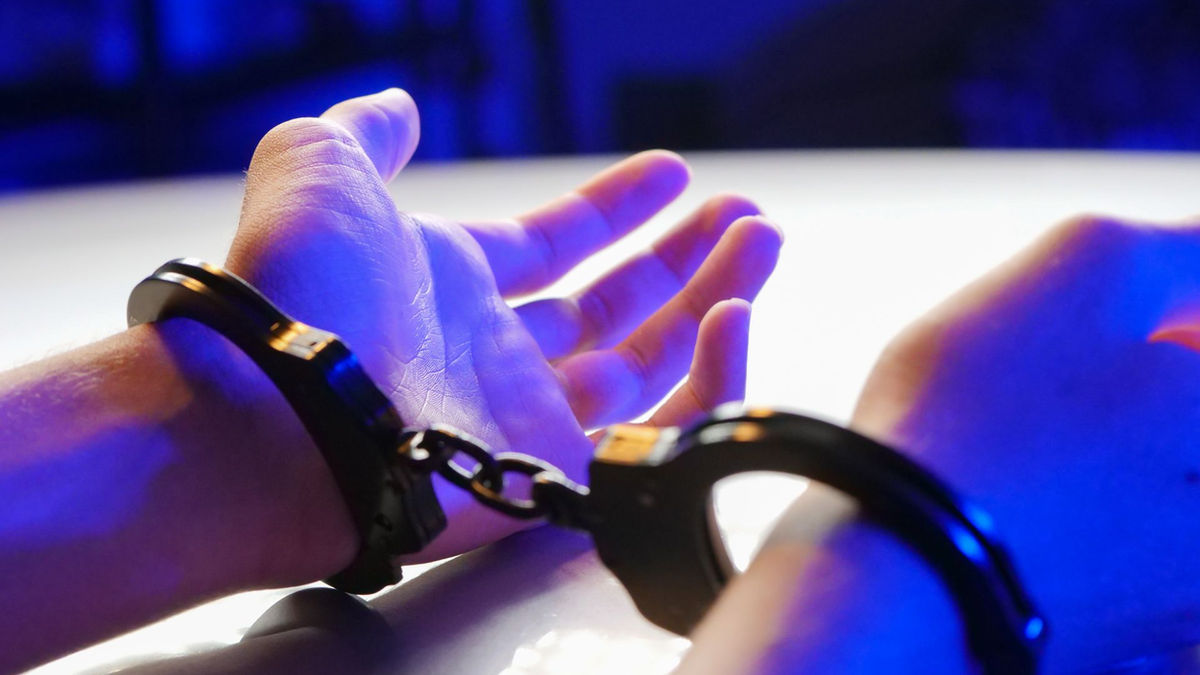
A photo you post to Facebook or Instagram can become a tool for extortion. According to the indictment, this is the core of the case against Liran Tadmor (44) of Tel Aviv, which includes 14 complainants.
According to the report in Posta dated 26.11.2026, the Tel Aviv District Prosecutor's Office filed the indictment against him in the Magistrate's Court and asks to detain him until the end of proceedings. Tadmor is a defendant, not convicted.
According to the indictment filed by attorney Korel Golbri, Tadmor located and copied photos of women from their Facebook and Instagram accounts without their consent. The prosecution claims he edited the images using artificial intelligence, superimposed their faces onto explicit sexual photos and videos, and displayed them nude, partly nude, or in provocative clothing.
It is further alleged that he then harassed them through messages and calls from dozens of phone numbers and virtual SIM cards in order to conceal his identity.
It is also alleged that he demanded that the women engage in sexual conversations, meet him, or send additional photos, and threatened that if they did not comply he would distribute the images online and to their friends. According to the indictment, in some cases he carried out the threat and published the images without consent. He also created fake WhatsApp profiles using the names and photos of some of the complainants and contacted other women through them.
The indictment charges him with numerous counts of extortion by threat, harassment via telecommunications equipment, sexual harassment, and impersonation for fraud.
In the detention request, according to the report, the prosecution argues that he used advanced technology to produce degrading sexual content and harmed the privacy, dignity, and personal safety of the complainants. These are the prosecution's claims, and they have not yet been examined by the court.
The hard question
Should a man accused of extorting 14 women with fabricated nude images remain in custody until the end of proceedings, or are house arrest and restrictions on phone and internet use sufficient? The prosecution seeks detention. The Magistrate's Court has not yet ruled, and the defendant has not been convicted.
Arguments that may support the decision
- According to the prosecution, this was a systematic scheme involving 14 complainants, not an isolated incident.
- According to the indictment, the defendant used dozens of phone numbers and virtual SIM cards to conceal his identity, so it may be argued that monitoring him outside custody is difficult.
- According to the indictment, in some cases the threats were carried out and the images were published, so it may be argued that the risk of further harm is real.
Arguments that may oppose the decision
- The defendant has not been convicted, and the indictment reflects only the prosecution's claims.
- It may be argued that house arrest or restrictions on phone and internet use infringe less on his liberty while still protecting the complainants.
- It may be argued that detention until the end of proceedings must rest on a detailed justification and not on the gravity of the offenses alone.
Now you are the judges
- Do you think justice is being done?
- Should a man accused of extorting 14 women with fabricated nude images remain in custody until the end of proceedings?
- When the Magistrate's Court rules on the detention request, how will it explain to the 14 complainants why it chose the outcome it did?
Source
Source of the article: Posta. The article is based on media reports rather than on the court file itself. The arguments for and against are not findings of the court.
הדיון
ביקורת על ההחלטה ועל הנימוקים מתקבלת בברכה. בלי איומים, בלי פרטים אישיים ובלי האשמות שאין להן בסיס. כללי הדיון
הדיון משותף לקוראים בכל השפות.
כדי להגיב צריך להתחבר. כניסה או הרשמה