Millions in suspected fake invoices. Some suspects allegedly refused to appear for questioning, prosecutors say. Ruling: released
Six suspects in a tax-fraud probe involving fake VAT invoices worth tens of millions of shekels were released on conditions, including cash deposits, guarantees and travel bans. Prosecutors say some refused to appear for questioning.
Written by AI, without human editing, based on media reports. This article is not based on the court's official document.
Suspicion of tens of millions of shekels, and the court's response: release on conditions. According to a report on ICE dated 25.11.2026, the Israel Tax Authority exposed a network of companies and dealers suspected of distributing and offsetting fictitious invoices worth tens of millions of shekels.
On 24.11.2026, six suspects, residents of central Israel, were brought before the Jerusalem Magistrates' Court. The investigation is run by the Jerusalem Customs and VAT Investigations Department and concerns suspected violations of the Value Added Tax Law. According to investigators, some suspects were arrested at their homes after refusing several times to appear for questioning and disconnecting their phones. The suspects' guilt has not been determined.
The court released them on restrictive conditions: a cash deposit, a personal bond, a third-party guarantee, and orders barring them from leaving the country. This is an interim decision at the investigation stage, not a verdict.
The hard question
Suspicion of tens of millions of shekels, and investigators' claim that some suspects refused to appear for questioning several times and disconnected their phones. Do a cash deposit, two guarantees and a travel ban adequately address this, or is it a price that can be paid?
Arguments that could support the decision
- There is no indictment, guilt has not been determined, and the presumption of innocence applies to each of the six.
- The conditions are real restrictions: a cash deposit, a personal bond, a third-party guarantee and travel bans.
- The investigators are a party to the proceedings, and their claim about refusing to appear has not yet been fully tested.
Arguments that could oppose the decision
- According to investigators, some suspects refused to appear for questioning several times and disconnected their phones, yet the conditions are largely financial.
- The suspicion involves distributing and offsetting fictitious invoices worth tens of millions of shekels, and a cash deposit may look small by comparison.
- A travel ban does not prevent avoiding questioning within the country.
Now you are the judges
- In your view, was justice done?
- Are a cash deposit, guarantees and a travel ban adequate release conditions given a suspicion of tens of millions of shekels?
- Jerusalem Magistrates' Court: how do a cash deposit and a guarantee stop suspects whom investigators say refused to appear for questioning several times and disconnected their phones?
Source
Source: ICE. The article is based on media reports rather than the case documents themselves. The arguments for and against are not findings of the court.
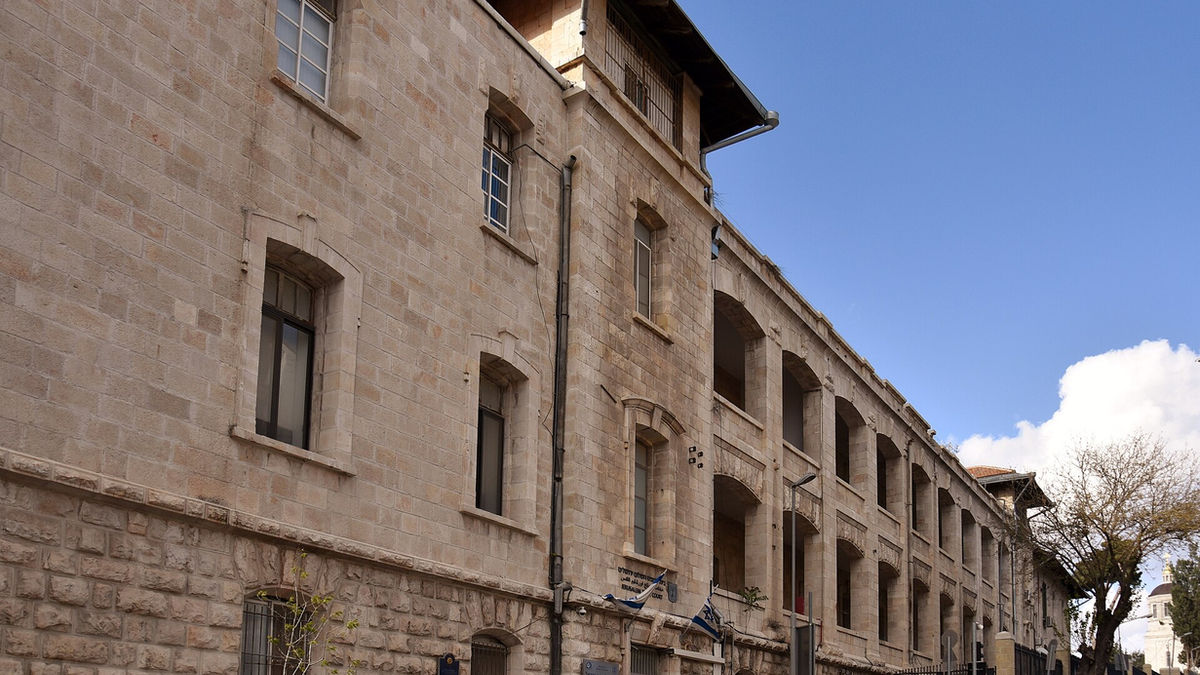
Cover photo (Jerusalem Magistrates' Court building): Bahnfrend, Wikimedia Commons, CC BY-SA 4.0.
הדיון
ביקורת על ההחלטה ועל הנימוקים מתקבלת בברכה. בלי איומים, בלי פרטים אישיים ובלי האשמות שאין להן בסיס. כללי הדיון
הדיון משותף לקוראים בכל השפות.
כדי להגיב צריך להתחבר. כניסה או הרשמה