Hundreds of olive trees in Burqa went up in flames, according to the petition. The president: grave. The ruling: to wait
The High Court of Justice called the phenomenon grave, widespread and ongoing, yet ordered only a further status update by 12.3. The interim injunction request remains undecided.
Written by AI, without human editing, based on media reports. This article is not based on the court's official document.
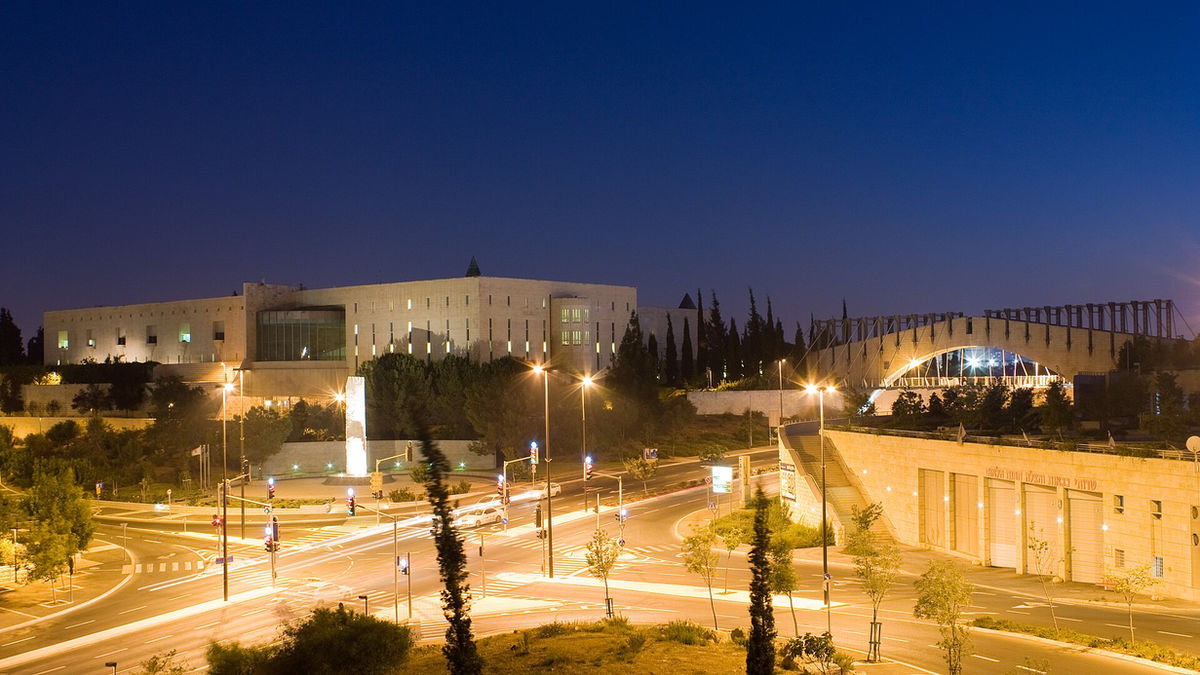
Hundreds of olive trees in the village of Burqa went up in flames, according to a petition filed by the village council. Those who remained standing among the burned trees are the residents. What they received from the Supreme Court was a notice of update due by 12.3.
According to a report in Maariv dated 24.11.2026, the petitioners claim violent takeover of private land by Jewish rioters. They describe uprooting of olive trees, an illegal outpost, repeated trespassing, seizure of homes and arson. According to the urgent request for an interim injunction, the olive groves were set on fire on the evening of 5.11.2026. Photographs of burning trees and of people apparently identified as Israelis riding all-terrain vehicles inside the village were attached to the request. The state itself reported a fifth enforcement action at the Burqa 1 outpost and a fourth at the Burqa 2 outpost, burning tires on the access road to the village, and a fire at the municipal building.
This is an interim decision, not a judgment. President Yitzhak Amit, joined by Justices Ruth Ronen and Yael Willner, wrote that the rioters appear prima facie to be acting in an organized manner, and that the phenomenon is grave, wide-ranging and ongoing. He also wrote that many of the claims in the other petitions were not denied by state representatives, and that the rioters' acts amount to a "desecration of God's name on a large scale."
The state, the IDF and the police respond that there are three outposts in the area, some of which have been evacuated several times, and that they act under their powers and subject to operational constraints. According to them, a closed military area order was issued against Israelis, and forces were allocated to enable residents to reach the groves during the olive harvest season. The president commended the Regional Commander on extending the order and allocating forces, but wrote that the military is also judged by its results on the ground, and the picture on the ground is one of burned olive trees.
Then comes the outcome. The court wrote that it is not its role to instruct security forces, and that there is a presumption that they are acting in good faith. It ordered only a further status update by 12.3. The request for an interim injunction, the demand to evacuate the outpost and the demand to declare the land a closed military area were not decided, and the petition remains pending.
The hard question
The Supreme Court wrote that the phenomenon is grave, persistent and wide-ranging, yet ordered only a status update by 12.3. Is this a reasonable degree of judicial restraint in an interim decision, or does the outcome not align with the reasoning?
Possible arguments in favor of the decision
- This is an interim decision, and the petition remains pending, so the remedies can still be decided.
- The president wrote that it is not the court's role to instruct security forces on how to deal with the rioters.
- The state described enforcement actions, including a fifth action at "Burqa 1" and a fourth at "Burqa 2", and a closed military area order.
Possible arguments against the decision
- The reasoning is sharp and finds the phenomenon grave and systematic, but the outcome is only a status update.
- The decision itself describes outposts evacuated several times and burning tires on the access road to the village, and it is hard to see how this fits with the presumption that the forces act in good faith.
- According to the petition, hundreds of olive trees went up in flames on 5.11.2026, and the urgent request for an interim injunction remains undecided.
Now you be the judges
- Do you think justice was done?
- Is a status update due by 12.3 a sufficient response by the High Court of Justice to a petition about arson and the takeover of land?
- The court wrote that the military is also judged by its results on the ground, so what result does it demand by 12.3?
Source
The source of this article is Maariv. The article is based on media reports and not on the court file itself. This means the arguments for and against are not findings of the court.
הדיון
ביקורת על ההחלטה ועל הנימוקים מתקבלת בברכה. בלי איומים, בלי פרטים אישיים ובלי האשמות שאין להן בסיס. כללי הדיון
הדיון משותף לקוראים בכל השפות.
כדי להגיב צריך להתחבר. כניסה או הרשמה