120 polling stations in Arab towns. Likud demands a revote. The commission examined and found no evidence of harm
Likud has appealed to the Jerusalem District Court demanding a revote at 120 polling stations in Arab towns, alleging voter information was passed to party headquarters. The Central Elections Committee found no evidence of harm to election integrity. The court has not yet ruled.
Written by AI, without human editing, based on media reports. This article is not based on the court's official document.
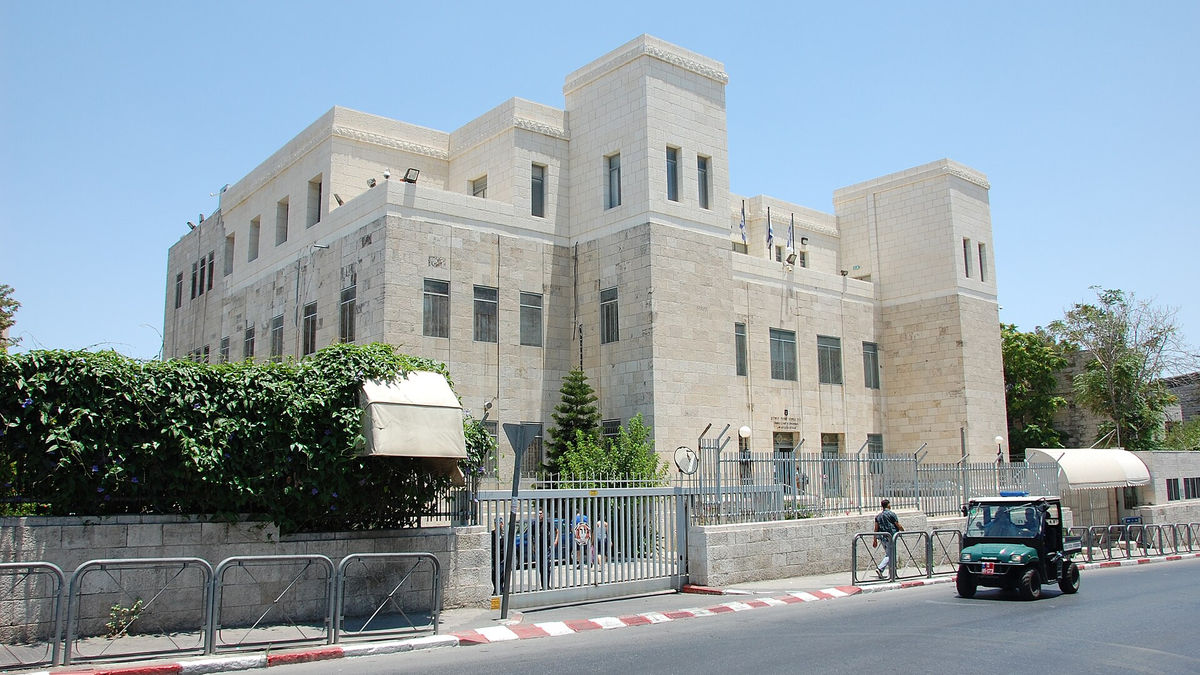
120 polling stations in Arab towns. One party demands that those who voted there return to the polling station. One committee examined and says it found no evidence of harm to election integrity. According to a report in Davar dated 25.11.2026, Likud filed an appeal to the Jerusalem District Court and demands a revote at the same polling stations.
According to Likud, information about voters was passed from polling station rooms to party headquarters, contrary to law. This is a claim made by a party in an appeal, not a finding by a court. The Central Elections Committee announced that it examined all the complaints it received and found no evidence of harm to election integrity.
This is where the problem begins. Likud speaks of transferring information in violation of law. The committee speaks of complaints it received and the absence of evidence of harm to election integrity. These are not necessarily the same claim. How do you explain to the Jerusalem District Court what exactly was examined? Did the committee's review address Likud's claim itself, or only what reached it? And if such a transfer of information did occur, how does it become a demand to return whole polling stations to the polls?
There is a question the court cannot avoid: why these 120 polling stations specifically, and why all of them in Arab towns? This is a very broad demand, and it concerns voters at those stations who are not parties to the proceeding. Whoever asks them to return to the polls must present a solid basis, not just an allegation. And if the appeal is rejected, the ruling must address the claim itself, not simply rest on the fact that the committee examined it.
The hard question
Should an unproven claim by a party be enough to send voters at 120 polling stations in Arab towns back to vote again, when the Central Elections Committee examined the complaints it received and found no evidence of harm to election integrity?
Arguments that may support the decision
- According to Likud, information about voters was passed from polling station rooms to party headquarters contrary to law, which would violate the secrecy of the vote.
- If such a transfer were proven, some would argue that only a corrective revote can remedy it.
- Examining complaints received by the committee is not necessarily an examination of the specific claim Likud is making.
Arguments that may oppose the decision
- The Central Elections Committee examined all the complaints it received and found no evidence of harm to election integrity.
- This is a claim by a party, not a finding by a court.
- Canceling a vote at 120 polling stations is an extreme step, and it also affects voters who were not parties to the proceeding.
Now you are the judges
- Do you think justice is being done?
- Should the court require clear proof of the claim before ordering a revote at polling stations?
- How will the court explain the move from the transfer of information, if it occurred, to canceling an entire vote?
The source
Source of the article: Davar. The article is based on media reports and not on the court documents of the proceeding itself. This means the arguments for and against are not findings of the court.
Cover photo (Jerusalem District Court building): Sir kiss, Wikimedia Commons, public domain.
הדיון
ביקורת על ההחלטה ועל הנימוקים מתקבלת בברכה. בלי איומים, בלי פרטים אישיים ובלי האשמות שאין להן בסיס. כללי הדיון
הדיון משותף לקוראים בכל השפות.
כדי להגיב צריך להתחבר. כניסה או הרשמה