The State Asks the High Court to Dismiss, "Mosquito Protocol" Approved After Cuts
The state asks the High Court of Justice to dismiss on threshold a petition against broadcasting the "Mosquito Protocol" investigation, after military censorship approved it subject to removing some segments.
Written by AI, without human editing, based on media reports. This article is not based on the court's official document.
The Channel 11 viewers are about to receive the "Mosquito Protocol" investigation in the version approved for broadcast after certain segments were removed, and the state asks the High Court of Justice not to hear the petition against the broadcast. According to a report in Maariv – Mivzakim dated 25.11.2026, the State Attorney's Office asked the High Court to dismiss on threshold a petition against broadcasting the investigation on the program "Zman Emet."
In a response submitted on behalf of the military censor, it was stated that the investigation was examined in full and approved for broadcast, subject to the removal of certain segments. According to the censor, the concern about harm to state security and IDF soldiers, including on the international stage, was also examined.
It is important to distinguish: this is a request by the State Attorney's Office, not a decision of the court. A dismissal on threshold means the petition is closed without a hearing on its merits, and the High Court has not yet ruled.
The Difficult Question
Here lies the difficult question. On one hand, the censor stated that the security concern was examined, and the court may see this as a sufficient reason not to intervene. On the other hand, if the request is accepted solely on the basis of that examination, the reasoning becomes circular: the body that approved the broadcast under conditions is also the basis for the claim that there is nothing to examine.
High Court of Justice, the public is waiting for an answer. If you accept the request, you will need to explain why the censor's review makes your own review unnecessary. If you reject it, you will need to say what nonetheless needs to be examined.
The implication for readers is clear. Viewers will receive a filtered version, and the petitioners may find the petition closed before the arguments were heard. According to the report in Maariv – Mivzakim, 25.11.2026.
The Question
Is it enough that the military censor stated the investigation was examined and approved subject to removing segments, for the High Court to dismiss on threshold a petition against its broadcast, without hearing it on the merits?
Possible Arguments in Favor of the Decision
- According to the military censor, the investigation was examined in full and approved for broadcast, and the concern for state security and IDF soldiers was also examined.
- It can be argued that approval subject to removing segments shows a real examination was made and not a rubber stamp.
- According to the State Attorney's Office, there is no bar to broadcasting the investigation, and therefore the petition should be dismissed on threshold.
Possible Arguments Against It
- One can ask whether accepting the request would leave the censor's review, a state body, without judicial examination.
- A threshold dismissal would close the petition before the court examines the reasons on their merits.
- Approval was granted subject to removing certain segments, and one can ask who will examine what was removed and why, if the petition is closed without a hearing.
Now You Are the Judges
- In your view, is justice being done?
- Should the High Court dismiss on threshold a petition against broadcasting an investigation merely because the censor approved it?
- Should a petition concerning freedom of expression and state security be closed on threshold without a hearing?
Source
The source of this article is Maariv. The article is based on media reports and not on the court file documents themselves. This means the arguments for and against are not findings of the court.
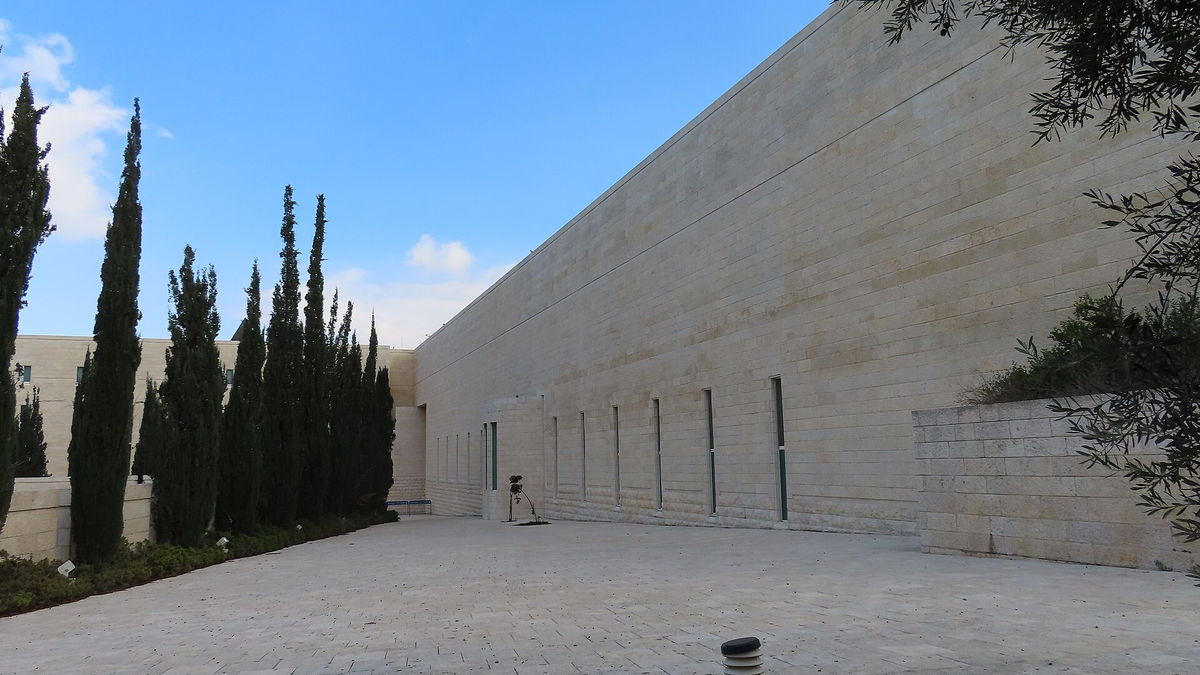
Cover photo (the Supreme Court building in Jerusalem): Fallaner, Wikimedia Commons, CC BY-SA 4.0.
Related Coverage
- Two and a half years, extension after extension: the state asks for another 30 days to approve a position that has already been formulated
הדיון
ביקורת על ההחלטה ועל הנימוקים מתקבלת בברכה. בלי איומים, בלי פרטים אישיים ובלי האשמות שאין להן בסיס. כללי הדיון
הדיון משותף לקוראים בכל השפות.
כדי להגיב צריך להתחבר. כניסה או הרשמה