Attacked in a lynching because he was identified as Arab. The state sought a range of 9.5–11.5 years; four convicted of terrorism received 5 to 7
Saeed Mousa, 33, was attacked in a live-broadcast lynching on Bat Yam's promenade in May 2021. Five years later he is still paying the price. On November 25, 2026, four men convicted of terrorism were sentenced to 5 to 7 years.
Written by AI, without human editing, based on media reports. This article is not based on the court's official document.
Saeed Mousa, 33, married and father of four, arrived on May 12, 2021 at the Bat Yam promenade during Operation Guardian of the Walls. There, a crowd gathered that chanted racist slogans and vandalized and looted Arab-owned businesses. The crowd identified him as an Arab and attacked him violently, in a lynching that was broadcast live on television. He required surgery and was hospitalized for eight days.
Five and a half years later, he is still paying. According to a Walla report, he sold the truck he had bought shortly before the attack in order to support his family, and the family split up between homes. He is dealing with post-traumatic stress, anxiety and sleep difficulties, and only about two months ago returned to partial work, as a night-shift security guard. The compensation awarded to him from the five convicted men together: 80,000 shekels.
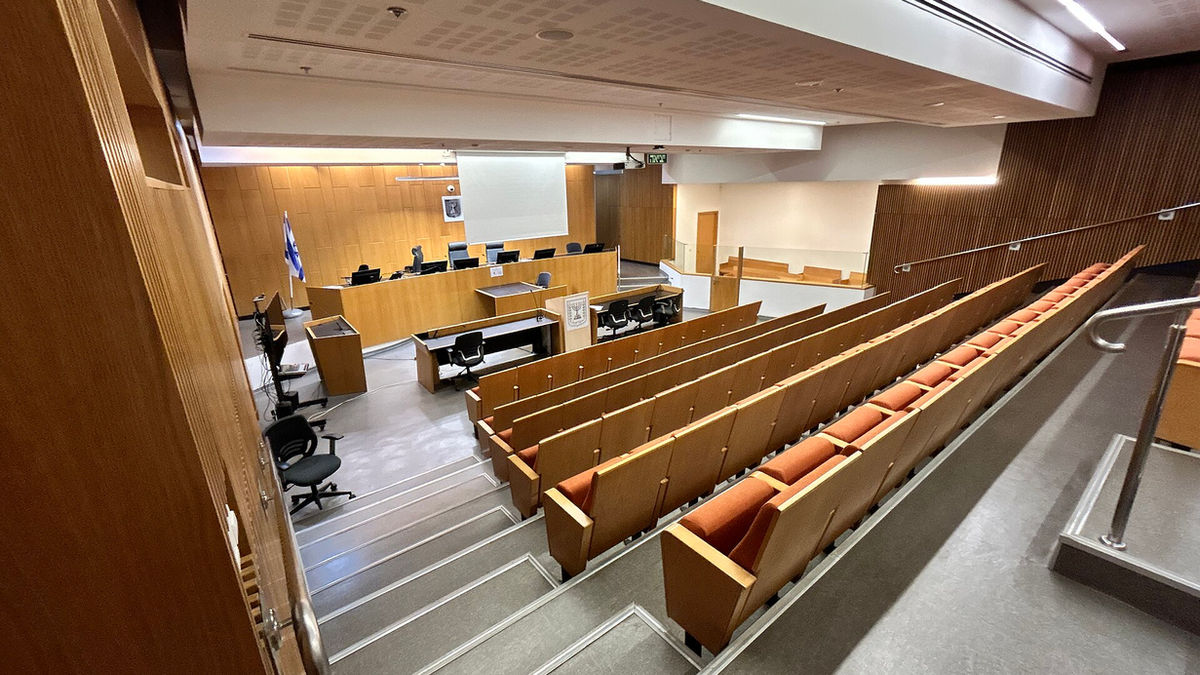
On November 25, 2026, the Tel Aviv District Court, through Judge Sharit Zamir, sentenced Tamir Sarour to seven years in prison, Yitzhak Saban to six, and David Butiar and Moshe Mansour to five each. All four were convicted of terrorism offenses. Ush Itgav was acquitted of the terrorism charge, because according to the report the prosecution did not prove he acted out of nationalist motives, and was convicted of aggravated assault with intent, committed jointly. His sentence: 22 months.
The prosecution sought a range of 9.5 to 11.5 years in prison for the central terrorism offense, 11 to 14.5 years for Sarour and 7.5 to 10.5 years for Itgav, with sentences in the upper third. The judge gave weight to the time that had passed, the lengthy detention periods, the personal circumstances and the therapeutic proceedings, and also stressed the need for deterrence in violent offenses motivated by nationalism and racism. According to the report, the five did not know one another before that evening, but the court found that they became partners in committing the offenses.
The hard question
The questions begin here. The court weighed the time that passed in favor of the attackers, so how does it weigh that same time for someone who has lived it with post-traumatic stress and a sold truck? According to the report, the judge found that Butiar still struggles to accept full responsibility and that Mansour expressed sincere remorse, yet both received five years. How does that fit together? And how was an 80,000-shekel compensation set for five men? On the other hand, all five are being sent to actual imprisonment, and the judge emphasized deterrence.
The affair is not closed: the sentences of two additional defendants will be handed down later, after probation service reports. The five are due to report to begin serving their sentences on January 10, 2027, and until then exit bans remain in force against them. Do you think the sentences reflect the severity of the act? According to the Walla report.
The hard question
- Should the passage of time reduce the sentence in a live-broadcast lynching case, when the victim has lived with the damage for five and a half years? Judge Sharit Zamir also stressed the need for deterrence in violent offenses motivated by nationalism and racism, and weighed the lengthy detention and therapeutic proceedings.
Arguments for the decision
- Four of the five were convicted of terrorism offenses, and all are being sent to actual imprisonment, reporting to serve their sentences on January 10, 2027.
- The passage of time, the lengthy detention and the therapeutic proceedings are sentencing considerations, and the court weighed them alongside the gravity of the act.
- The judge stressed the need for deterrent sentencing in violent offenses motivated by nationalism and racism, and the racist hallmarks of Sarour's conduct, who received the heaviest sentence.
Arguments against it
- The prosecution sought a range of 9.5–11.5 years for the central terrorism offense, while five to seven years were imposed on the four men convicted of terrorism.
- Sarour received seven years, while the prosecution sought a range of 11 to 14.5 years in his case.
- The passage of time was weighed in favor of the convicted men, while the victim is the one who continues to bear the consequences of the delay.
Now you are the judges
- Do you think justice was done?
- Do you agree that five to seven years in prison is an adequate response to the gravity of the act of four men convicted of terrorism in the Bat Yam lynching?
- Why should the passage of time reduce a sentence, when the victim is the one who has lived five and a half years with the damage?
Source
Source of the article: Walla. The article is based on media reports rather than the case files themselves. In other words, the arguments for and against are not findings of the court.
Cover photo (Tel Aviv District Court building): Amit Lonen, Wikimedia Commons, CC0.
הדיון
ביקורת על ההחלטה ועל הנימוקים מתקבלת בברכה. בלי איומים, בלי פרטים אישיים ובלי האשמות שאין להן בסיס. כללי הדיון
הדיון משותף לקוראים בכל השפות.
כדי להגיב צריך להתחבר. כניסה או הרשמה