Studied pharmacy, worked at Clalit, and allegedly planned a suicide bombing. Not yet convicted
A 22-year-old final-year pharmacy student and Clalit pharmacy assistant in Jerusalem is charged with conspiracy to carry out a terror attack and terror training. He has not been convicted and is presumed innocent.
Written by AI, without human editing, based on media reports. This article is not based on the court's official document.
A 22-year-old pharmacy assistant at Clalit pharmacies in Jerusalem, who is in the final year of pharmacy studies, is also, according to the indictment, suspected of planning a suicide attack at the Al-Aqsa Mosque, intended to kill Jews and others going up to the Temple Mount. Abdullah Jamjoum from Beit Hanina has not been convicted, and the presumption of innocence applies to him.
According to a Walla report dated 23.11.2026, the Jerusalem District Prosecutor's Office filed an indictment with the Jerusalem District Court on two counts: conspiracy to carry out a weapons operation for terror purposes, and training or instruction for terror purposes. Under the first count, he allegedly answered questions from another student, Mohammed Hassan Shalabi, about chemicals and explosive devices, and travelled with him to a shop in Ramallah. Under the second count, he allegedly downloaded books on explosive devices and poison production and trained in MMA. The prosecution claims he deleted the books shortly before his arrest because he no longer saw a need for them. These are the prosecution's allegations, not findings of a court.
He was arrested on 13 October. The prosecution asked that he be held in detention until the end of proceedings, and if convicted, the state may seek a prison sentence. The court has not yet decided on the request and has not ruled on the charges. Clalit said that, upon receiving the information from the indictment, it immediately initiated proceedings to end his employment in accordance with the law.
The hard question arises even before a verdict: how do you decide on detention until the end of proceedings when everything is still allegations? On one hand, the charges are serious and the prosecution asks that he stay in custody. On the other hand, he has not been convicted, and the claim of aiding another person and the claim of independently planning an attack may rest on different evidence.
When the Jerusalem District Court decides, it should not rely on the severity of the allegations alone. It should explain to the public what evidence it relies on, how each piece of evidence connects to each charge, and whether it accepts the prosecution's interpretation of the book deletion. A decision without such reasoning leaves unanswered both those who fear the threat and those who defend the presumption of innocence. Do you think the public is entitled to a fully reasoned decision?
The hard question
Should the court publicly explain, evidence against evidence and charge against charge, why it believes a terror suspect can or cannot be held in custody until the end of proceedings?
Possible arguments for the decision
- The prosecution attributes two serious charges to the suspect: conspiracy to carry out a weapons operation for terror purposes, and training or instruction for terror purposes.
- According to the indictment, there are detailed acts: a trip to Ramallah, downloading books on explosive devices and poison production, and MMA training.
- According to the indictment, the investigation was conducted jointly with the Israel Security Agency and the Jerusalem District Central Unit of the Israel Police.
Possible arguments against the decision
- The suspect has not been convicted, and the presumption of innocence applies. All details here are prosecution allegations.
- The interpretation that the books were deleted because he no longer saw a need for them is the prosecution's reading, and the court has not yet decided whether it accepts it.
- The evidence for aiding another person and for independent attack planning may differ, so each charge should be examined separately.
Now you are the judges
- Do you think justice is being done?
- Must the court publicly justify, on the basis of the evidence, every decision on detention until the end of proceedings in a terror case?
- What evidence supports the claim that the suspect helped plan an explosive device, and how does the court connect each piece of evidence to its charge?
Source
Source of the article: Walla. The article is based on media reports rather than the court file itself. This means the arguments for and against are not findings of the court.
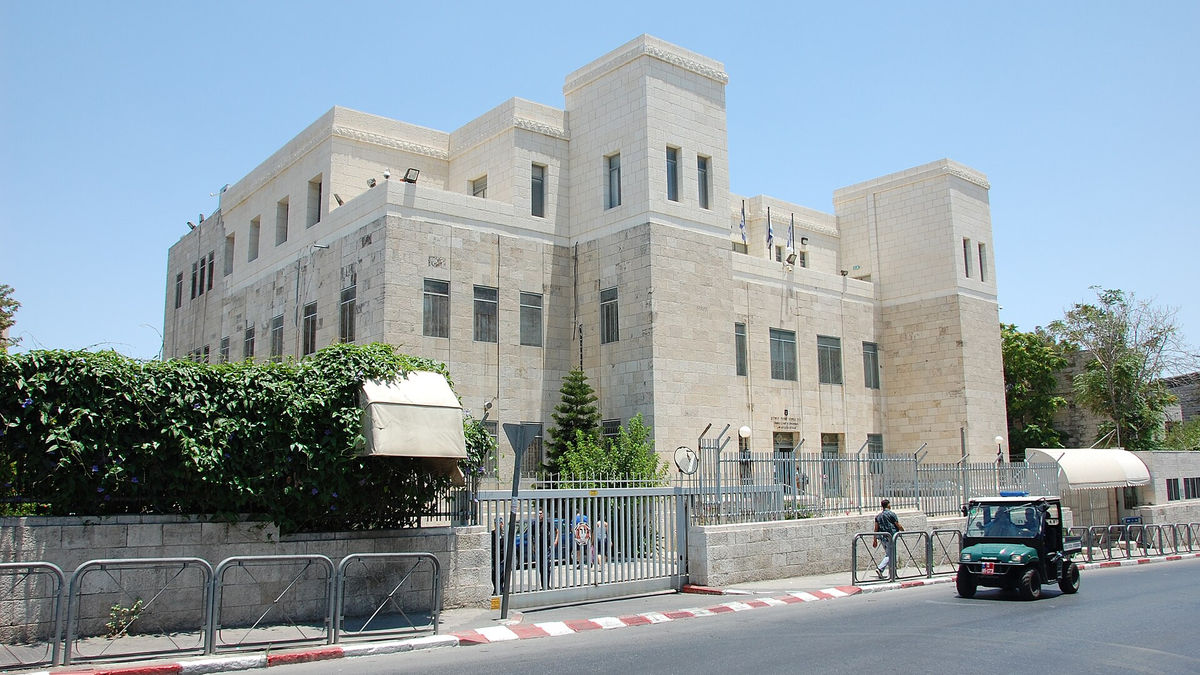
Cover photo (Jerusalem District Court building): Sir kiss, Wikimedia Commons, public domain.
- A 19-year-old charged with planning an attack on the Temple Mount; his detention until the end of proceedings has not yet been decided.
הדיון
ביקורת על ההחלטה ועל הנימוקים מתקבלת בברכה. בלי איומים, בלי פרטים אישיים ובלי האשמות שאין להן בסיס. כללי הדיון
הדיון משותף לקוראים בכל השפות.
כדי להגיב צריך להתחבר. כניסה או הרשמה