40 Days in Custody for a Murder Suspect: Police Say Investigative Steps Yielded No Evidence He Fired; Court Orders Further Extension
A murder suspect who was himself wounded spent over 40 days in custody. Police said investigative steps produced no evidence he fired, yet detention was extended repeatedly. Readers are asked to weigh in.
Written by AI, without human editing, based on media reports. This article is not based on the court's official document.
A murder suspect who was himself seriously wounded in the shootout in Umm al-Fahm on October 13 remained in custody for more than 40 days, and in the end no judge released him. Kosai Kharari was badly injured in the gunfight, in which Nimr Jabarin was also gravely wounded and later died of his wounds. Kharari was arrested on suspicion of murder after planning it, firing a firearm in a residential area and making threats. According to a report in Fosta dated November 25, 2026, he was released from the investigating unit without being brought before a court hearing. He is only a suspect, and it has not been determined that he committed the acts.
At a hearing on November 18, police claimed there were cameras and forensic findings on his clothing, and that he fled together with another suspect. According to their representatives, there is also DNA and testimony indicating that the other suspect was Shira. They further claimed that the deputy state attorney was satisfied there was grounds to file an indictment, and that about 12 hours before the incident Kharari announced he would kill the victim. The defense argued that he himself was the victim and that a third person may have shot him and the deceased. Kharari said in his interrogation at the hospital that he does not know who shot him.
On November 19, day 40, the defense asked whether the investigative steps had produced evidence that Kharari held the weapon and shot the deceased. Police representatives answered in the negative and conceded it was unclear who shot him. Judge Menachem Mizrahi ruled that the suspect's presence at the scene and his gunshot wound established reasonable suspicion, and possibly more. The father's testimony, he said, was a conjecture rather than real evidence, and the picture "still left evidentiary gaps." He noted that the suspect had not given a version, and that the scenarios remained open. Nevertheless, he extended the detention, also due to a supervisor's failure to appear.
Judge Tal Aner ordered house arrest, and the police appealed. At a hearing in Lod, Judge Efrat Pink ruled that a high-threshold foundation had been laid, but that no developments had occurred and the additional steps had not significantly advanced it. She extended the detention by one day. Afterward, Judge Guy Avnon extended the detention by three days, until November 25, even though no prosecutor's declaration had been filed.
The Hard Question
Were the back-to-back detention extensions justified, when the judge himself found that evidentiary gaps remained and the scenarios were open, while police claim evidence ties the suspect to the scene?
Possible Arguments in Favor of the Decision
- Judge Mizrahi found that the suspect's presence at the scene and his gunshot wound establish reasonable suspicion, and possibly more.
- Police claimed there is camera footage, forensic findings on his clothing, DNA and testimony, and that he fled together with another suspect.
- According to police, about 12 hours before the incident he went to the victim's family business and announced he would kill the victim, and the deputy state attorney was satisfied there was grounds for an indictment.
Possible Arguments Against the Decision
- Police representatives answered in the negative when asked whether the investigation produced evidence that the suspect held a weapon and shot the deceased, and conceded it was unclear who shot him.
- Judge Mizrahi found that evidentiary gaps remained and that the deceased may have shot the suspect or that another person was at the scene, and extended detention partly due to a supervisor's failure to appear.
- The defense argued that the suspect is himself the victim and raised the possibility that a third person shot him and the deceased.
Now You Be the Judges
- In your view, was justice done?
- Were the back-to-back detention extensions in this case justified?
- How can detention be extended when police representatives answered in the negative to whether the investigation produced evidence that the suspect held a weapon and shot the deceased?
Source
Source of the article: Fosta. The article is based on media reports rather than the case file itself. This means the arguments for and against are not findings of the court.
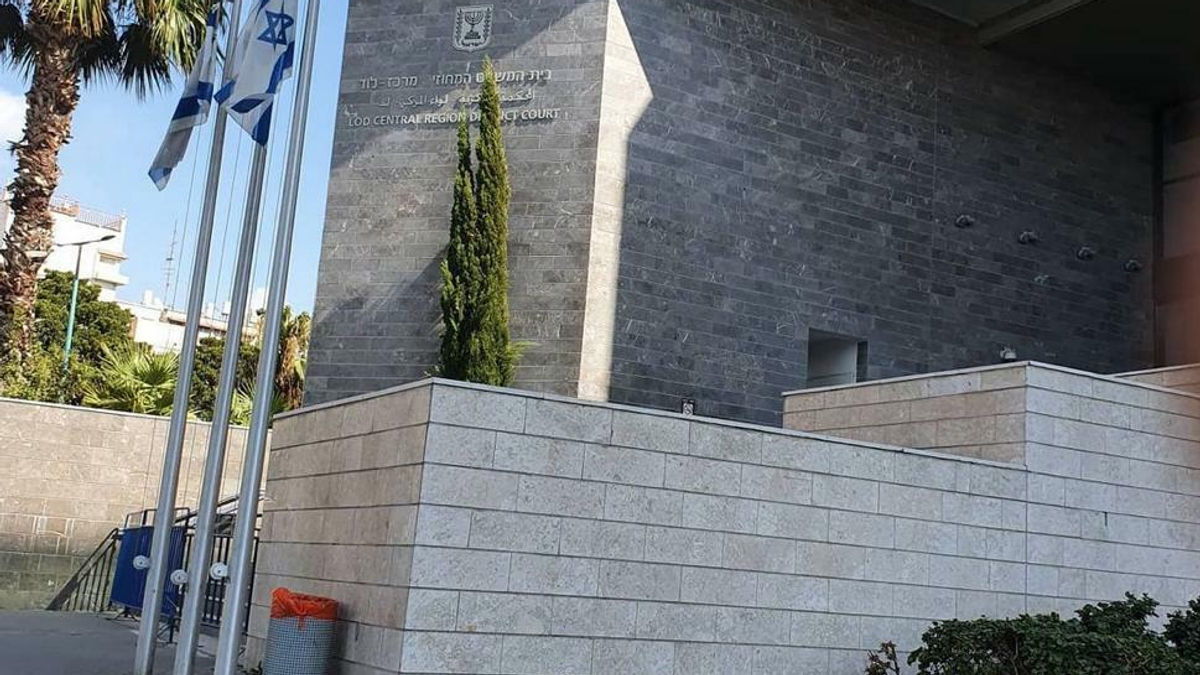
Cover photo (Central District Court building in Lod): Yarin50, Wikimedia Commons, CC BY-SA 4.0.
Related Coverage
- Two suspects were arrested in the murder of Mousa Al-Jabour; the court has not yet ruled on the request to keep them in custody until the end of proceedings...
הדיון
ביקורת על ההחלטה ועל הנימוקים מתקבלת בברכה. בלי איומים, בלי פרטים אישיים ובלי האשמות שאין להן בסיס. כללי הדיון
הדיון משותף לקוראים בכל השפות.
כדי להגיב צריך להתחבר. כניסה או הרשמה